Solutions Hub
Interlock Repair Guide for Patios, Driveways, and Walkways
Interlock repair needs can range from localized settlement and rutting to broader pattern instability. The right scope depends on whether failures are isolated or tied to systemic drainage and base issues. Request a free quote.
Related Project Photos
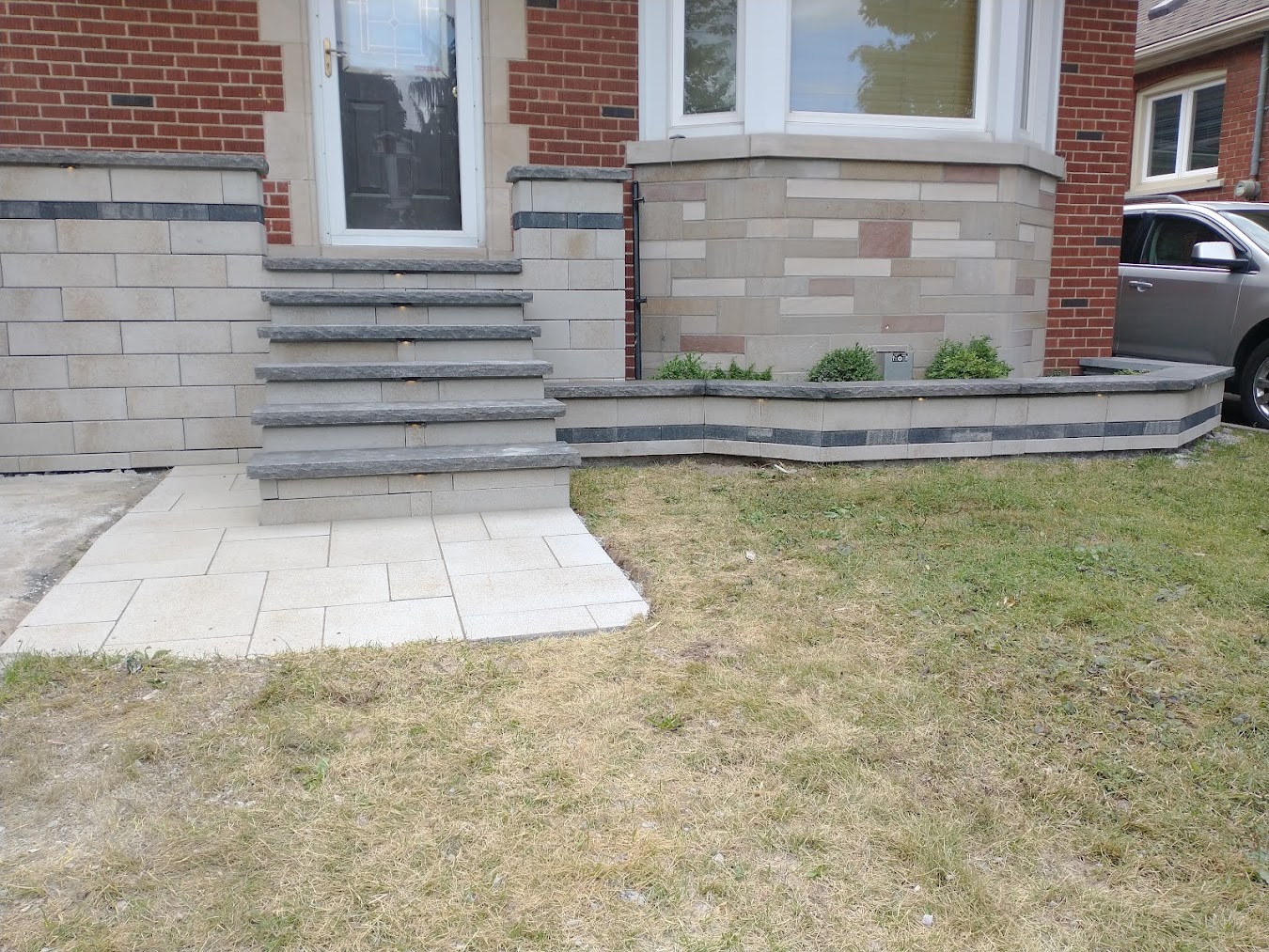
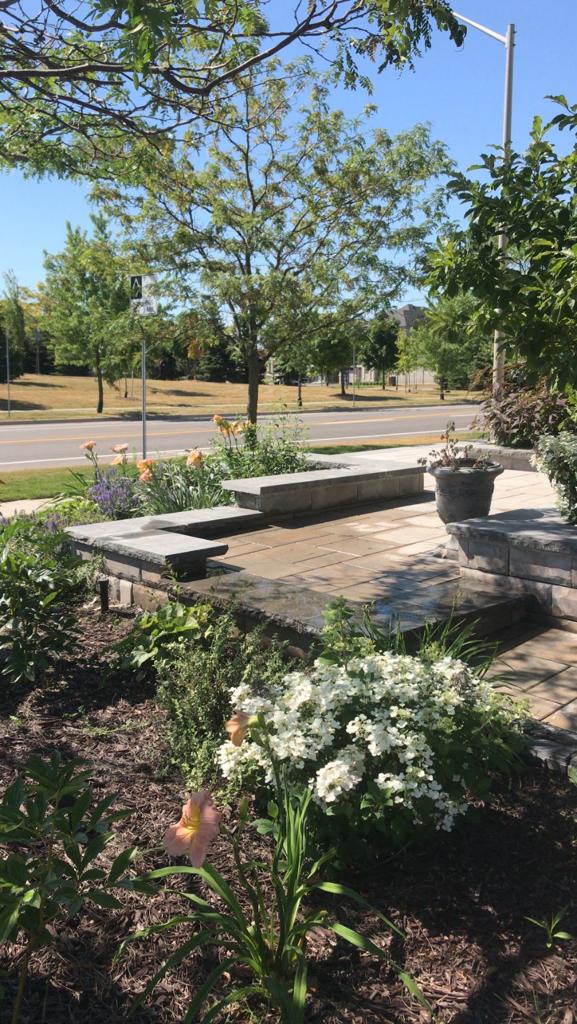
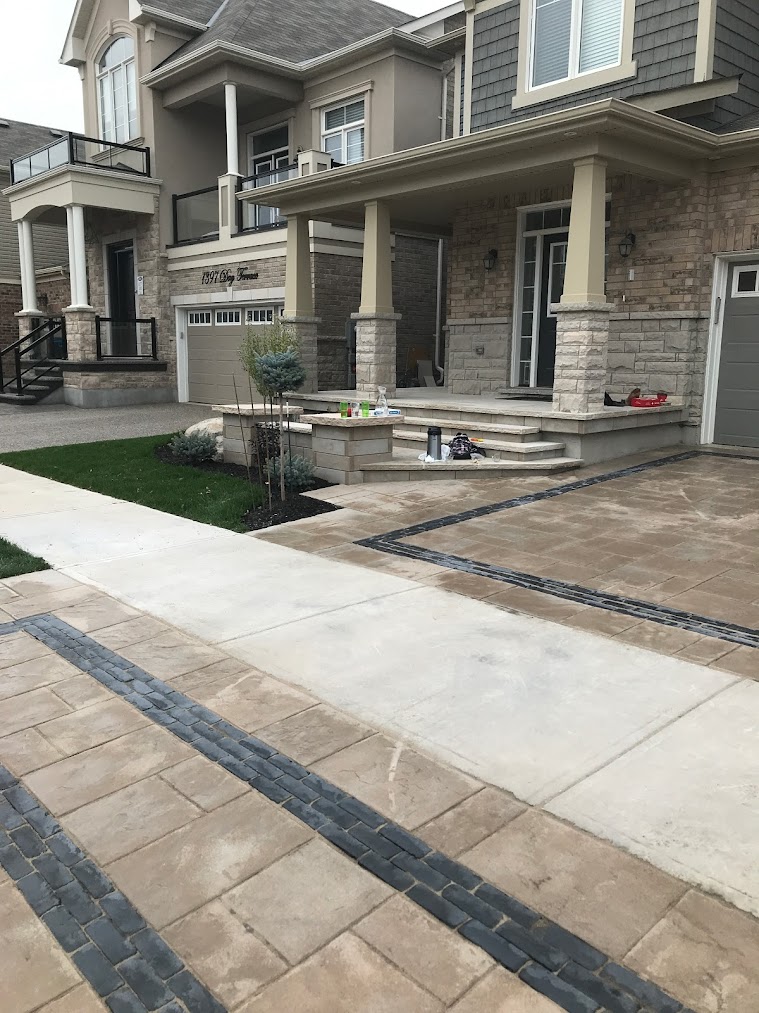
Problem Introduction
Interlock repair needs can range from localized settlement and rutting to broader pattern instability. The right scope depends on whether failures are isolated or tied to systemic drainage and base issues.
Why This Problem Happens
Localized issues may come from isolated base weakness or concentrated runoff. Widespread distress usually indicates shallow original construction, long-term drainage imbalance, or repeated freeze-thaw stress.
How Seven Stones Landscape Fixes It
We evaluate repairability first. Localized zones can be corrected with structural lift-and-relay, while widespread failure may require phased reconstruction with updated grading and drainage strategy.
Local Considerations
Hamilton and Burlington winter movement can make cosmetic patches fail quickly if root causes remain. Oakville and Milton homes often benefit from integrated drainage upgrades.
Related Services
- Interlock patios
- Retaining walls
- Sod installation
- Yard grading and drainage
- Concrete services
- Backyard renovations
City Pages
Before & After Case Example
An Oakville driveway had lane rutting and edge spreading. We used mixed-scope repair with targeted structural rebuilds, restoring performance and appearance without unnecessary full replacement.
Action Plan for Homeowners
Interlock repair works best when decisions are made from structural findings rather than visible damage alone. Some areas only need targeted lift-and-relay, while adjacent zones may require deeper reconstruction due to hidden base failure. Across Hamilton, Burlington, and Milton, this mixed-scope method often protects budget while still delivering durable results. Aligning repair scope with runoff behavior and subgrade condition helps prevent repeat settlement and preserves curb appeal.
Document when and where symptoms appear, especially after storms and spring thaw. Avoid repeated short-term patching until root causes are confirmed. A structured inspection and written scope helps prioritize high-impact corrections before cosmetic upgrades.
We build solution-first plans that align structural correction, drainage, and finish restoration. This prevents duplicated spending and improves long-term performance. If needed, projects can be phased by urgency and budget while preserving technical integrity.
Every lot behaves differently based on slope, subgrade, and existing hardscape. That is why two homes on the same street can require different methods. We design for site-specific behavior so repairs remain reliable through Ontario weather cycles.
When repairs are complete, we review adjacent surfaces and transitions to reduce new stress points. This integrated approach protects patios, driveways, lawns, and retaining features together instead of solving one issue while creating another.
Choosing between partial interlock repair and broader reconstruction should be based on structural findings, not surface appearance alone.
A clear scope with phased options helps homeowners control budget while still solving the root cause of movement.
Frequently Asked Questions
Need Help With This Problem?
We provide practical local solutions across Hamilton, Burlington, Oakville, Ancaster, Dundas, Waterdown, Stoney Creek, and Milton.