Solutions Hub
Why New Sod Turns Yellow and How to Fix It
Sod turning yellow is often treated as a watering issue, but persistent discoloration usually points to drainage, compaction, or soil-profile problems below the surface. Request a free quote.
Regular seasonal inspections after heavy rain help catch drainage setbacks early and keep sod performance on track.
Related Project Photos
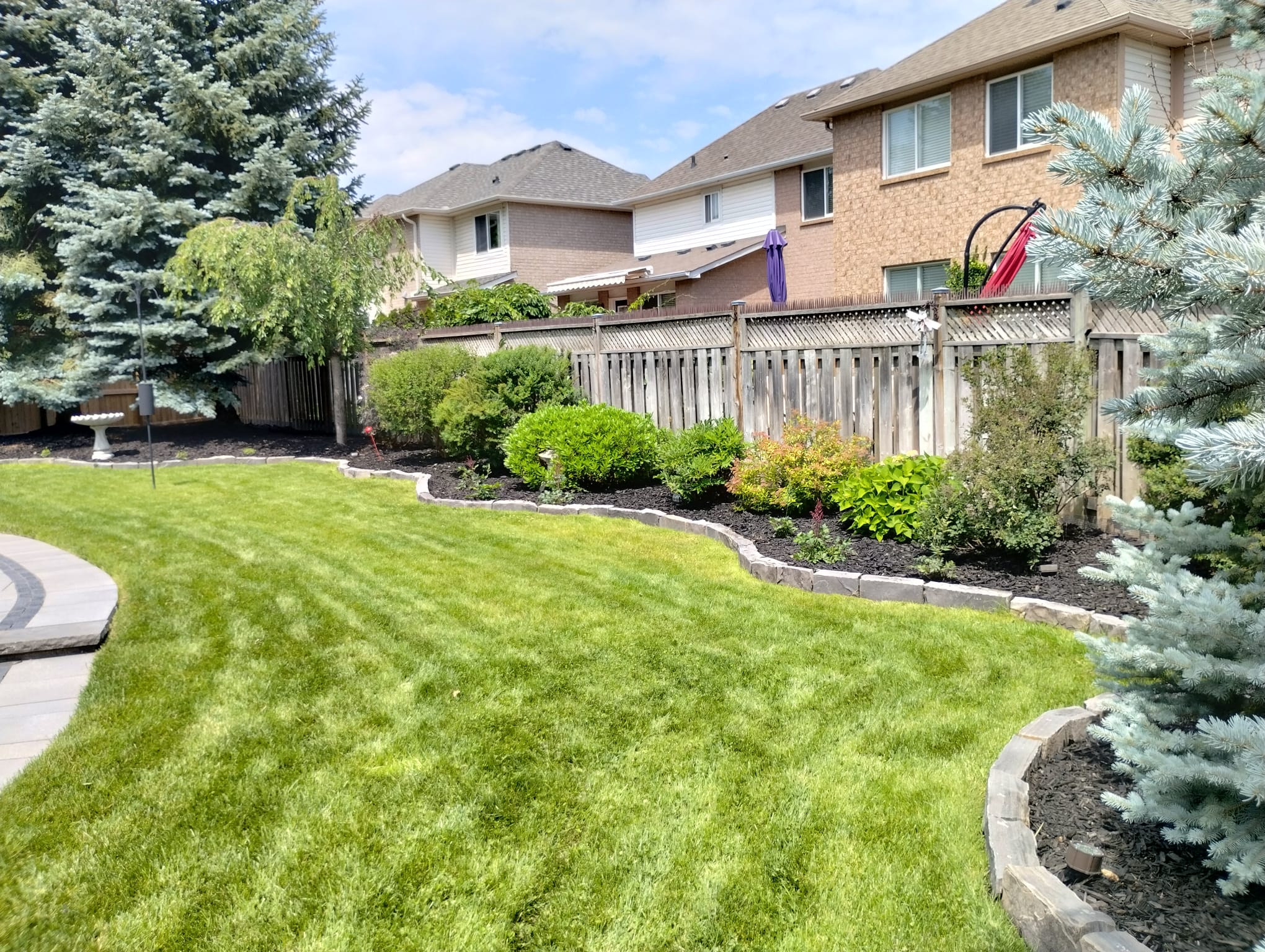
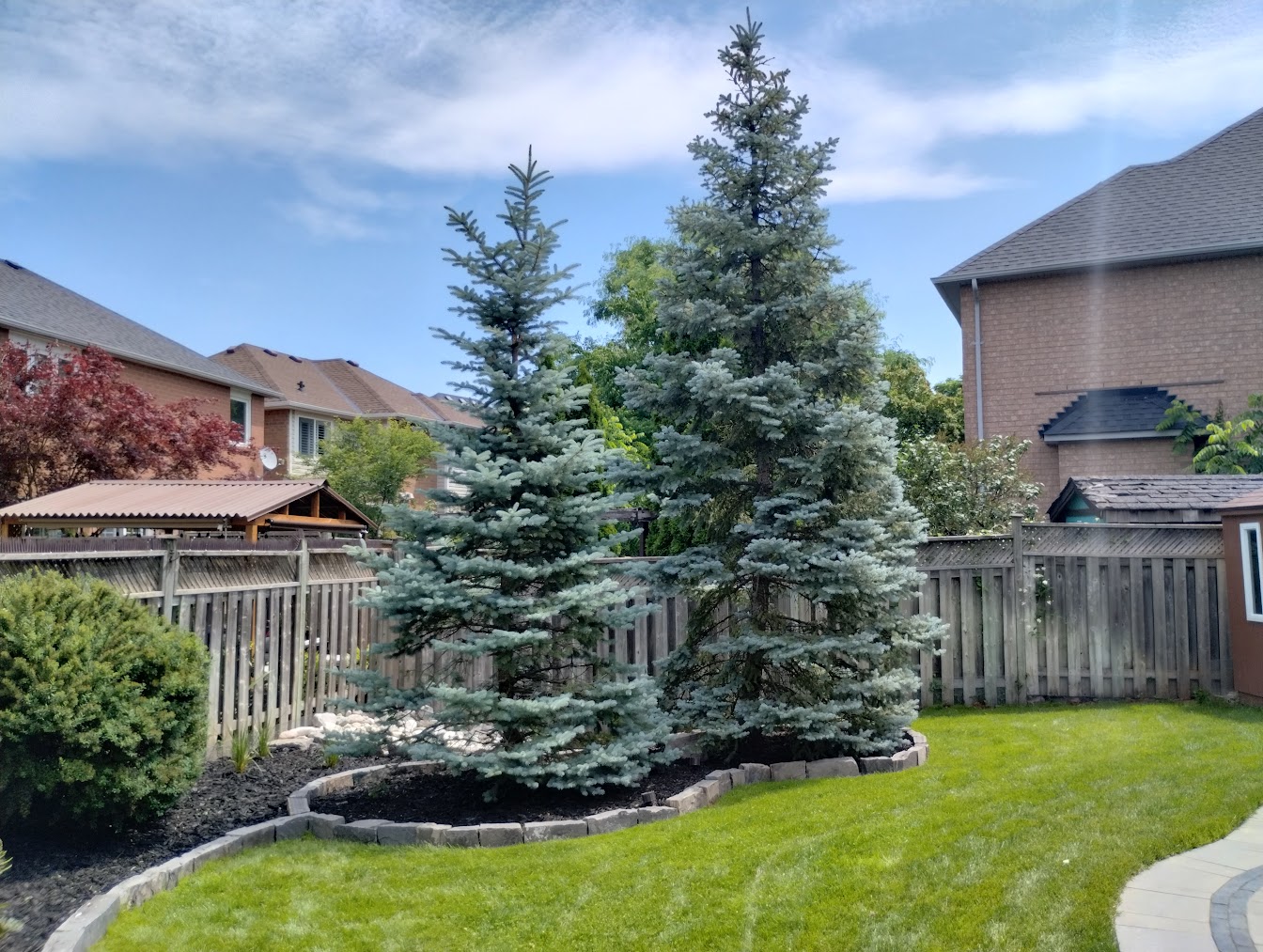
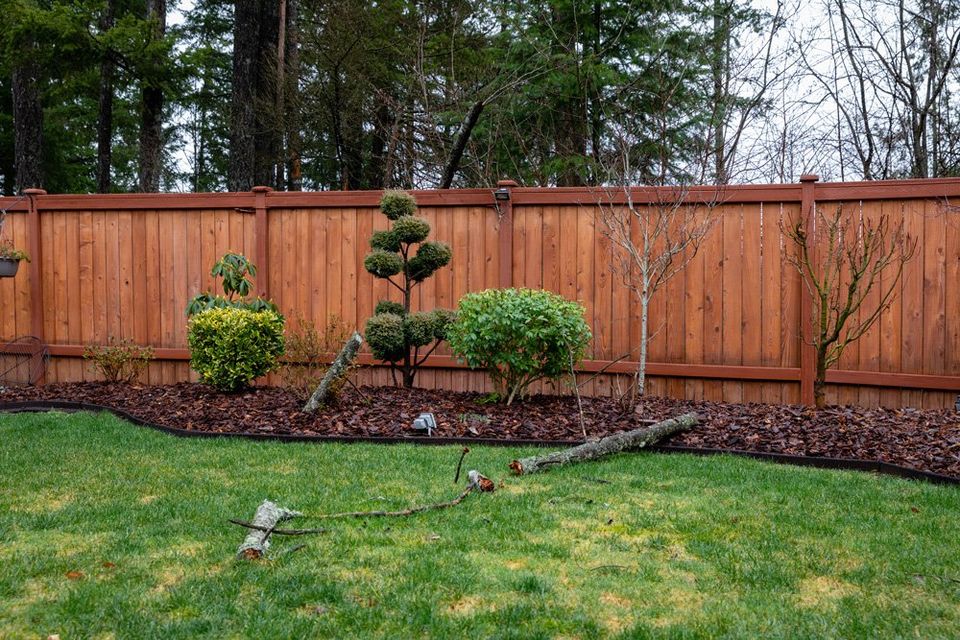
Regular seasonal inspections after heavy rain help catch drainage setbacks early and keep sod performance on track.
Problem Introduction
Sod turning yellow is often treated as a watering issue, but persistent discoloration usually points to drainage, compaction, or soil-profile problems below the surface.
Why This Problem Happens
Yellowing commonly results from oxygen-starved roots in wet areas, uneven moisture from grade errors, and shallow topsoil after prior renovation work.
How Seven Stones Landscape Fixes It
We diagnose turf and site hydraulics together, then correct low zones, improve runoff movement, and rebuild soil profile before sod restoration.
Local Considerations
Hamilton and Dundas lawns on dense soils are prone to spring yellowing after wet periods. Burlington and Waterdown lawns can show repeated stress along hardscape edges.
Related Services
- Interlock patios
- Retaining walls
- Sod installation
- Yard grading and drainage
- Concrete services
- Backyard renovations
City Pages
Before & After Case Example
A Burlington lawn developed recurring yellow strips next to a patio edge. After edge grading correction and soil restoration, color and density returned evenly.
Action Plan for Homeowners
Yellow sod should be evaluated as a site-performance signal, not just a lawn-care issue. Repeated discoloration often points to drainage imbalance, shallow topsoil, or compaction that limits root oxygen. On many Burlington and Waterdown properties, moisture concentrates along hardscape edges where slope transitions were never finalized. Correcting those conditions before re-sodding produces stronger recovery, more even color, and fewer repeat treatments.
Document when and where symptoms appear, especially after storms and spring thaw. Avoid repeated short-term patching until root causes are confirmed. A structured inspection and written scope helps prioritize high-impact corrections before cosmetic upgrades.
We build solution-first plans that align structural correction, drainage, and finish restoration. This prevents duplicated spending and improves long-term performance. If needed, projects can be phased by urgency and budget while preserving technical integrity.
Every lot behaves differently based on slope, subgrade, and existing hardscape. That is why two homes on the same street can require different methods. We design for site-specific behavior so repairs remain reliable through Ontario weather cycles.
When repairs are complete, we review adjacent surfaces and transitions to reduce new stress points. This integrated approach protects patios, driveways, lawns, and retaining features together instead of solving one issue while creating another.
Sod color recovery is strongest when drainage and soil profile are corrected first, then irrigation is tuned to site conditions.
That sequence supports deeper rooting and reduces repeat yellowing in stress-prone zones after rain or spring thaw.
Regular seasonal inspections after heavy rain help catch drainage setbacks early and keep sod performance on track.
Frequently Asked Questions
Regular seasonal inspections after heavy rain help catch drainage setbacks early and keep sod performance on track.
Need Help With This Problem?
We provide practical local solutions across Hamilton, Burlington, Oakville, Ancaster, Dundas, Waterdown, Stoney Creek, and Milton.
Regular seasonal inspections after heavy rain help catch drainage setbacks early and keep sod performance on track.