Solutions Hub
Uneven Interlock Repair for Driveways, Patios, and Walkways
Uneven interlock pavers create trip hazards, joint separation, and visible lipping that worsens over time. Many homeowners first notice instability around entries, walkway transitions, or patio edges. Request a free quote.
Related Project Photos
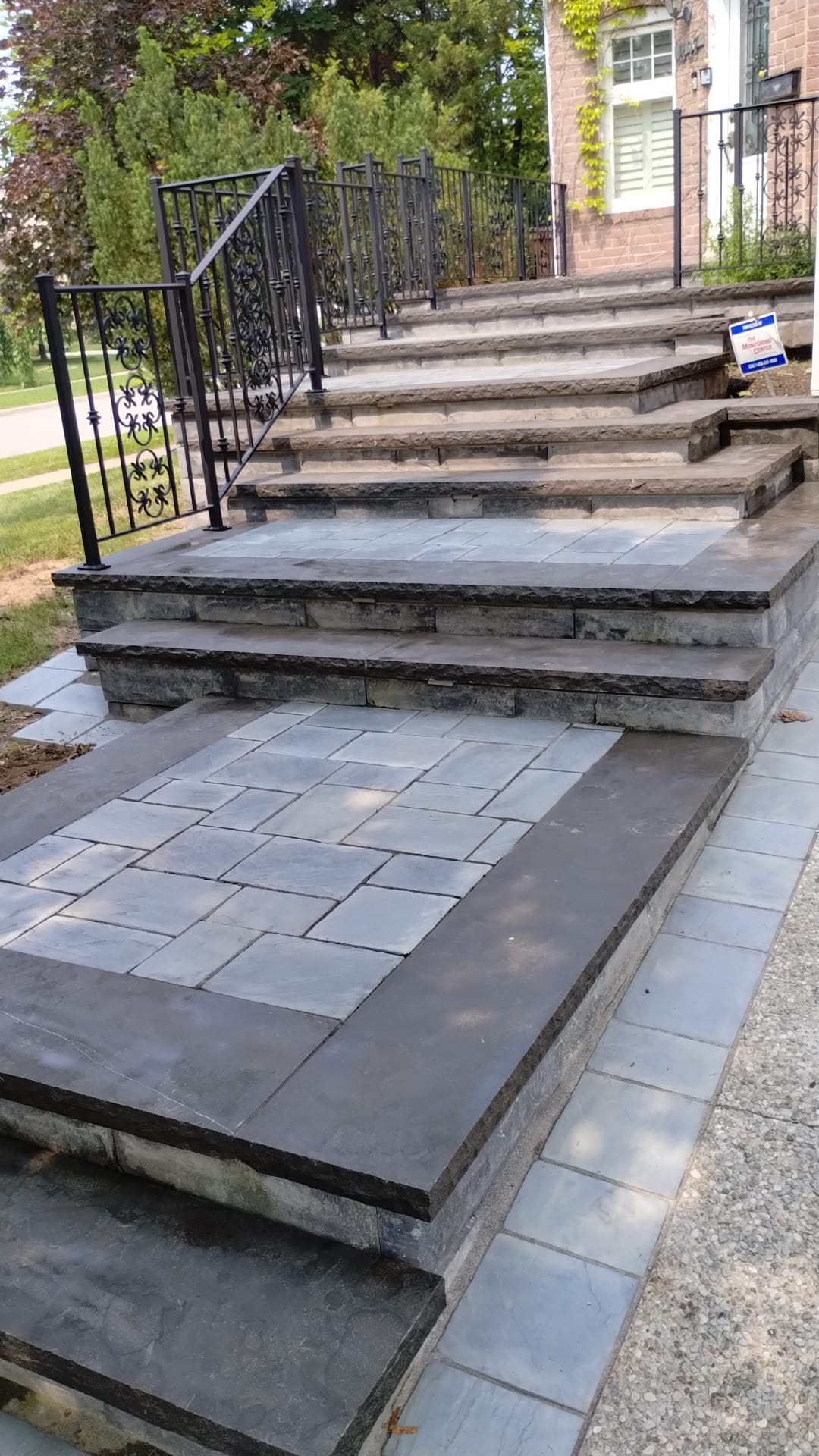
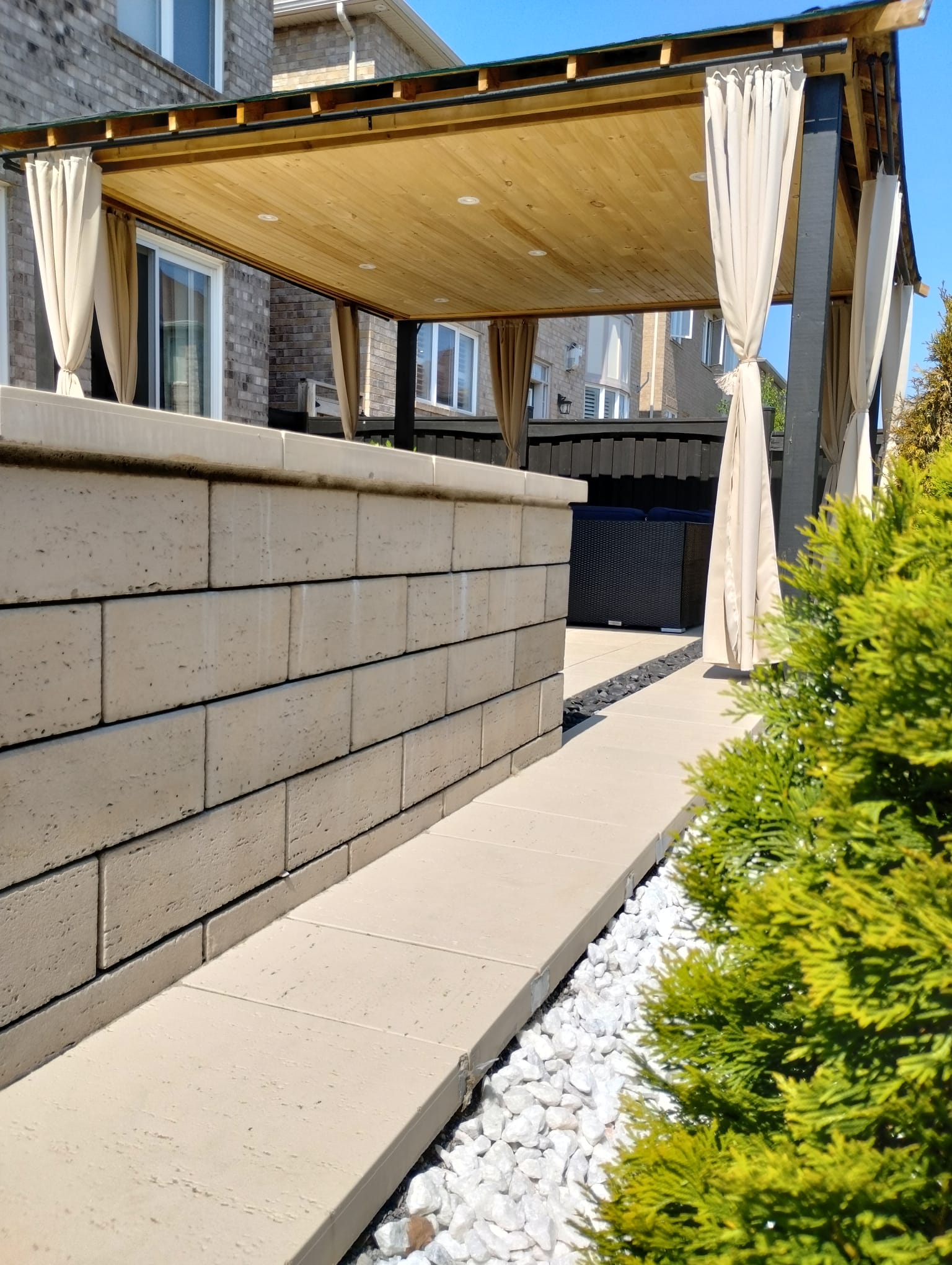
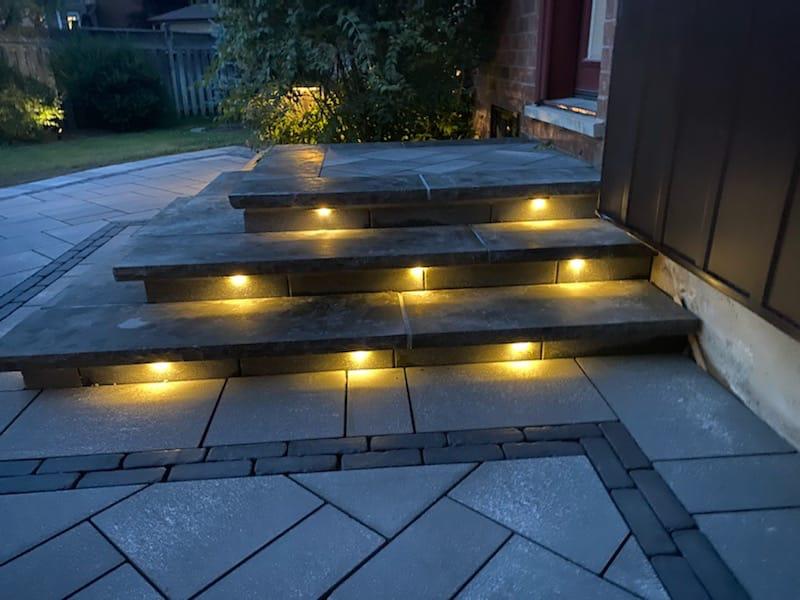
Problem Introduction
Uneven interlock pavers create trip hazards, joint separation, and visible lipping that worsens over time. Many homeowners first notice instability around entries, walkway transitions, or patio edges.
Why This Problem Happens
Root causes include base washout, inadequate compaction, edge restraint failure, and drainage that keeps support layers wet. Freeze-thaw cycles then spread movement across adjacent paver fields.
How Seven Stones Landscape Fixes It
We lift affected sections, rebuild support to proper depth, correct slope, reinstall pavers with tight pattern control, and stabilize joints. Adjacent grading and drainage are adjusted where needed.
Local Considerations
Waterdown and Stoney Creek properties with mixed grades can show faster interlock movement near transitions. Hamilton and Burlington repairs often need drainage integration for long-term durability.
Related Services
- Interlock patios
- Retaining walls
- Sod installation
- Yard grading and drainage
- Concrete services
- Backyard renovations
City Pages
Before & After Case Example
A Dundas walkway developed severe lipping near front steps. After lift-and-rebuild with corrected base and slope, the surface stayed level through spring melt.
Action Plan for Homeowners
Uneven interlock rarely stabilizes with surface patching alone because movement usually starts in underlying support layers. If slope continuity and drainage pathways are not corrected, adjacent pavers continue to shift after each winter cycle. In Oakville, Hamilton, and nearby areas, long-term success depends on rebuilt base integrity, edge restraint, and coordinated runoff control. A structural-first approach extends service life and reduces repeat maintenance.
Document when and where symptoms appear, especially after storms and spring thaw. Avoid repeated short-term patching until root causes are confirmed. A structured inspection and written scope helps prioritize high-impact corrections before cosmetic upgrades.
We build solution-first plans that align structural correction, drainage, and finish restoration. This prevents duplicated spending and improves long-term performance. If needed, projects can be phased by urgency and budget while preserving technical integrity.
Every lot behaves differently based on slope, subgrade, and existing hardscape. That is why two homes on the same street can require different methods. We design for site-specific behavior so repairs remain reliable through Ontario weather cycles.
When repairs are complete, we review adjacent surfaces and transitions to reduce new stress points. This integrated approach protects patios, driveways, lawns, and retaining features together instead of solving one issue while creating another.
Uneven interlock repairs last longer when border restraint, base depth, and slope continuity are corrected together instead of individually.
This prevents the repaired zone from shifting when adjacent sections expand and contract through seasonal weather changes.
Frequently Asked Questions
Need Help With This Problem?
We provide practical local solutions across Hamilton, Burlington, Oakville, Ancaster, Dundas, Waterdown, Stoney Creek, and Milton.