Solutions Hub
Yard Grading and Drainage: Long-Term Water Management
Many recurring landscape issues share one root cause: grading and drainage designed in pieces rather than as one system. Symptoms include ponding, settlement, wall stress, and recurring wet zones. Request a free quote.
Related Project Photos
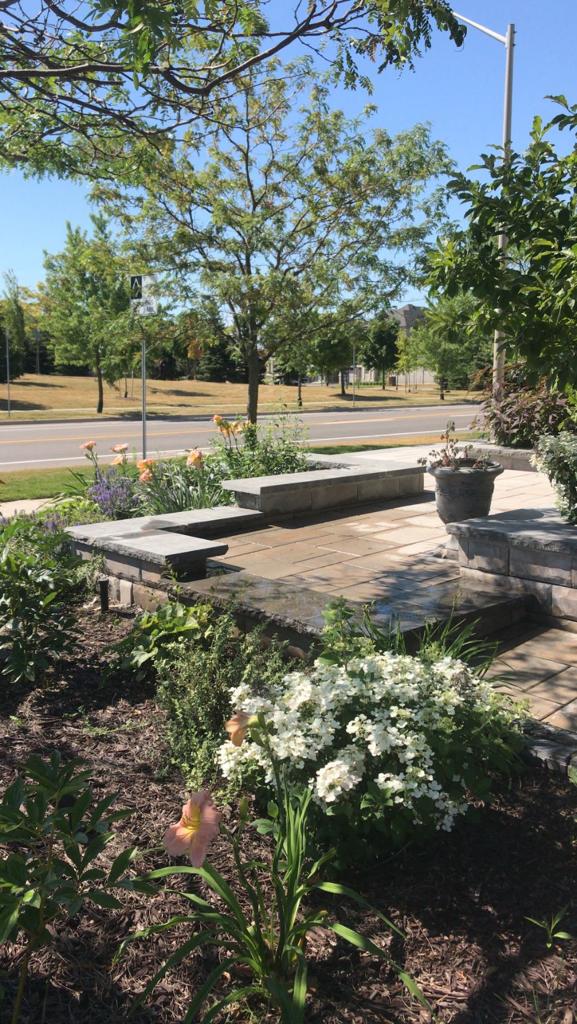
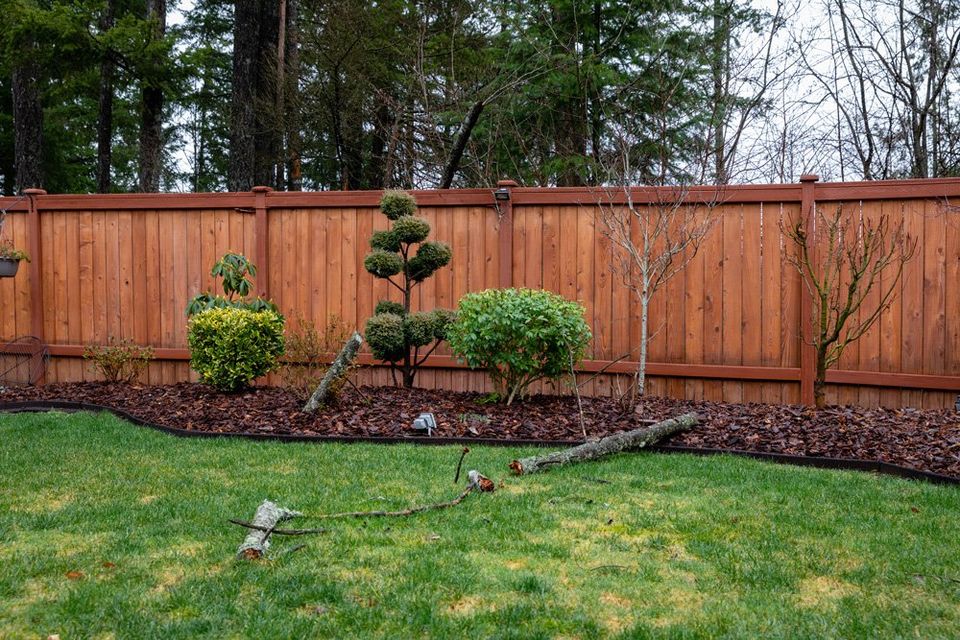
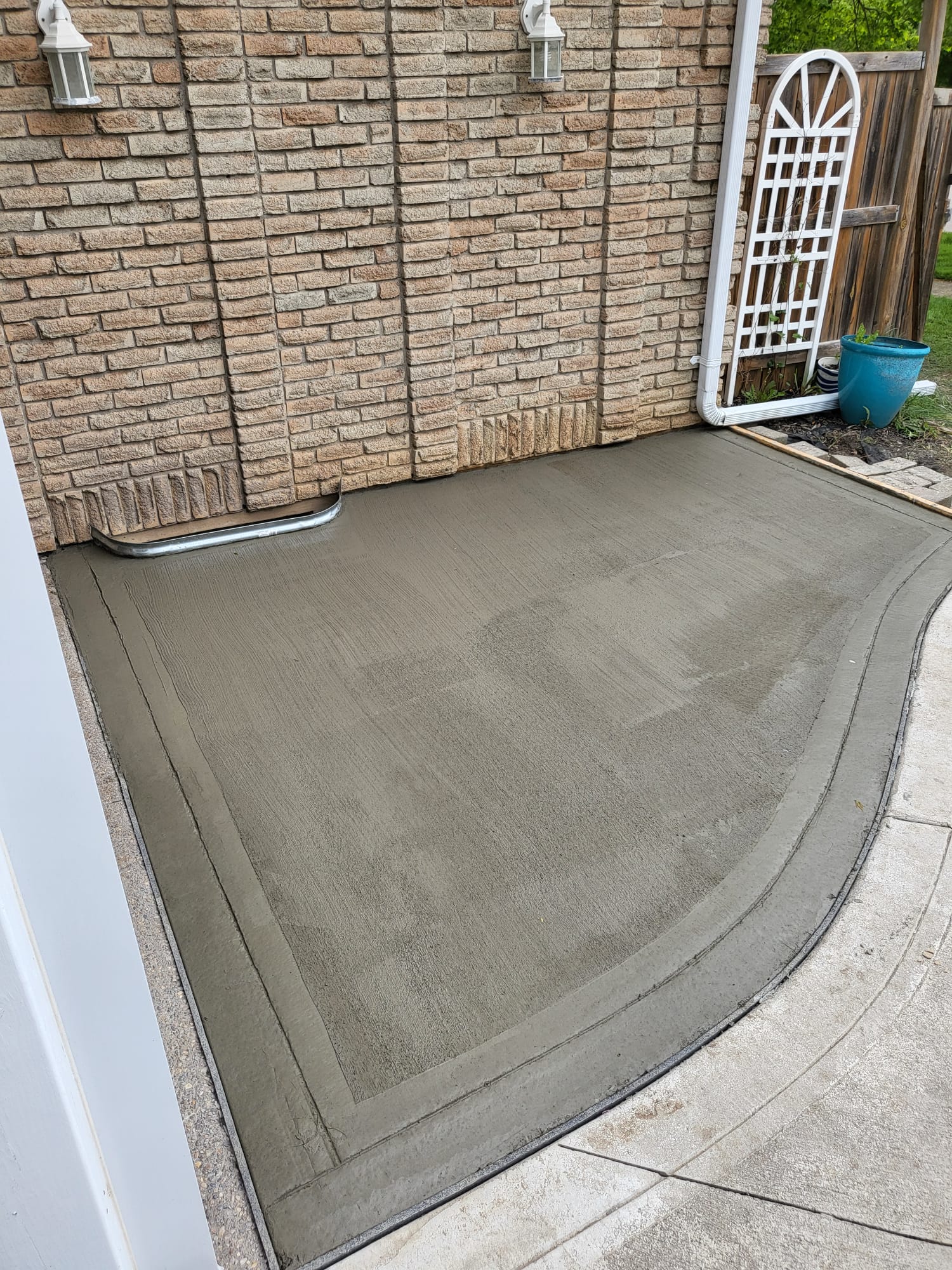
Problem Introduction
Many recurring landscape issues share one root cause: grading and drainage designed in pieces rather than as one system. Symptoms include ponding, settlement, wall stress, and recurring wet zones.
Why This Problem Happens
Disconnected elevations, shallow swales, blocked outlets, and poorly integrated hardscape transitions keep water where support layers should stay dry. Freeze-thaw cycles then magnify defects.
How Seven Stones Landscape Fixes It
We treat grading and drainage as the foundation of long-term site performance by defining runoff paths, setting target elevations, coordinating collection, and aligning hardscape-softscape transitions.
Local Considerations
Homeowners in Hamilton often experience patio sinking due to freeze-thaw cycles, and the same pattern destabilizes yards lacking proper grading strategy. Burlington and Oakville projects benefit from clay-aware drainage planning.
Related Services
- Interlock patios
- Retaining walls
- Sod installation
- Yard grading and drainage
- Concrete services
- Backyard renovations
City Pages
Before & After Case Example
An Ancaster backyard renovation had recurring water issues across lawn and patio edges. We redesigned elevations as one system and implemented phased corrections that stopped repeat damage.
Action Plan for Homeowners
Yard grading and drainage work sets the foundation for every other landscape upgrade. When elevations and runoff routes are coordinated from the start, patios, lawns, walls, and concrete features all perform better. In Hamilton, Burlington, and Oakville, clay soils and freeze-thaw cycles make this planning essential rather than optional. A system-based design reduces repeat failures and supports long-term property value.
Document when and where symptoms appear, especially after storms and spring thaw. Avoid repeated short-term patching until root causes are confirmed. A structured inspection and written scope helps prioritize high-impact corrections before cosmetic upgrades.
We build solution-first plans that align structural correction, drainage, and finish restoration. This prevents duplicated spending and improves long-term performance. If needed, projects can be phased by urgency and budget while preserving technical integrity.
Every lot behaves differently based on slope, subgrade, and existing hardscape. That is why two homes on the same street can require different methods. We design for site-specific behavior so repairs remain reliable through Ontario weather cycles.
When repairs are complete, we review adjacent surfaces and transitions to reduce new stress points. This integrated approach protects patios, driveways, lawns, and retaining features together instead of solving one issue while creating another.
Yard grading and drainage planning creates the performance baseline for patios, walls, lawns, and future landscape investments.
When water movement is engineered correctly, the entire property experiences fewer recurring repairs and better long-term stability.
Frequently Asked Questions
Need Help With This Problem?
We provide practical local solutions across Hamilton, Burlington, Oakville, Ancaster, Dundas, Waterdown, Stoney Creek, and Milton.