Solutions Hub
Lawn Drainage Problem Fixes for Wet, Soft, or Failing Turf
Lawn drainage problems show up as soggy turf, recurring muddy patches, and grass that thins in the same zones every season. Even routine lawn care cannot overcome persistent root-zone saturation. Request a free quote.
Related Project Photos


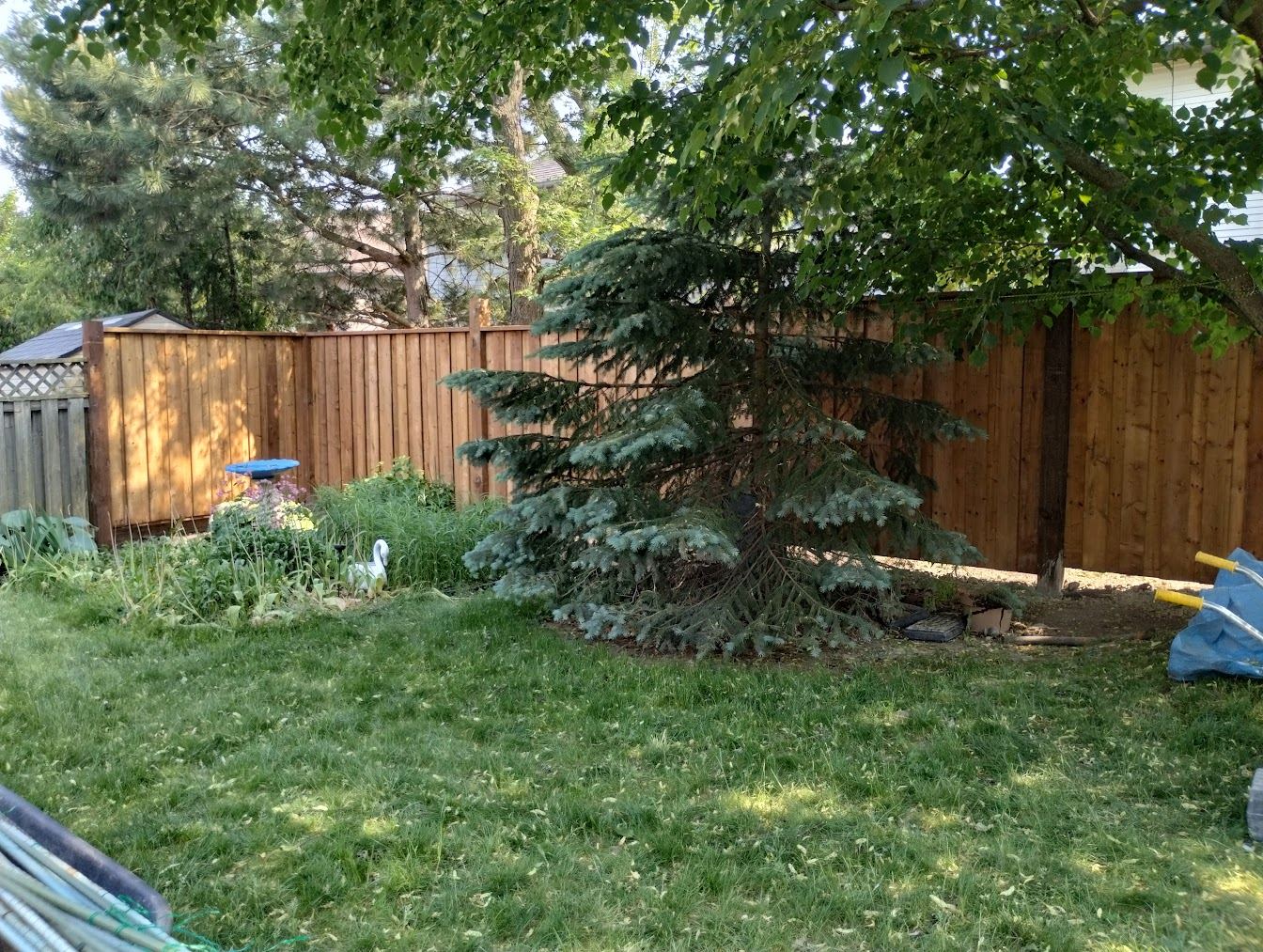
Problem Introduction
Lawn drainage problems show up as soggy turf, recurring muddy patches, and grass that thins in the same zones every season. Even routine lawn care cannot overcome persistent root-zone saturation.
Why This Problem Happens
Typical causes are poor grade direction, compacted subsoil, trapped runoff, and low infiltration in clay-heavy lots. Wet roots lose oxygen, and turf quality declines despite reseeding or fertilizer.
How Seven Stones Landscape Fixes It
We build a turf-first drainage plan: correct slope, improve runoff flow, and add drainage components where needed. Then we restore soil profile and sod areas for consistent regrowth.
Local Considerations
Hamilton and Ancaster lawns often stay saturated longer due to dense soils. Burlington and Milton side-yard corridors may need better conveyance to keep rear lawns usable.
Related Services
- Interlock patios
- Retaining walls
- Sod installation
- Yard grading and drainage
- Concrete services
- Backyard renovations
City Pages
Before & After Case Example
A Waterdown lawn had chronic soft bands along the fence after storms. Regrading and runoff correction restored usability and improved turf quality.
Action Plan for Homeowners
Lawn recovery improves dramatically when drainage correction is done before turf replacement. Without fixing water movement, new sod often declines in the same places within one season. In Ancaster and Hamilton, dense soils and uneven grade can keep root zones saturated longer than expected. A coordinated plan restores slope direction, improves outlet reliability, and rebuilds soil profile so turf roots can establish deeply and maintain color through changing weather. Soggy turf is one symptom within a wider yard drainage plan, so we check how lawn grades tie into the rest of the property before any reseeding. For how soggy lawns relate to pooling, flooding, and seepage across the whole yard, read our backyard drainage pillar guide, and to fix the grade that keeps roots saturated, our yard grading and drainage service corrects slope and rebuilds the soil profile.
The tell with a lawn drainage problem is that the bad patches come back in the same spots no matter how much seed or fertilizer goes down. Mark where the grass thins and stays spongy underfoot, push a screwdriver in to feel how far down the soil is saturated, and note whether those zones line up with a downspout, a low swale, or a fence-line corridor. If new sod browned out within a season, that is the soil telling you the roots are drowning, not starving, and no amount of overseeding will outrun standing water in the root zone.
Fix the water before you spend a dollar on turf, because grass laid over a wet subgrade fails in the same place every time. Saturated soil starves roots of oxygen, so the plan is to correct the slope, reopen the runoff path the water is supposed to follow, and add a shallow drain only where surface grading cannot reach. On the dense clay around Hamilton and Ancaster the root zone stays wet far longer than people expect, so we also rebuild the top profile with screened topsoil to give new roots somewhere to breathe and establish deep.
No two soggy lawns root the same way. A shaded north side that never dries needs different handling than a sunny Milton side-yard corridor that just needs its conveyance opened up, and a lawn that only goes soft at spring thaw is sitting on frost-bound subgrade while the surface drains fine. We read the actual slope, the soil, and the light before we touch grade, then set the fall so the turf gets balanced moisture instead of feast-or-famine.
When the grade and drainage are corrected we re-establish the soil profile and sod the affected zones, then check that the new lawn levels tie cleanly into the patio edge, the bed lines, and any walkway so we are not creating a fresh wet seam at the transition. With oxygen back in the root zone and runoff under control, the sod actually takes hold, the colour holds through July, and the seasonal mud and reseeding cycle finally stops.
Healthy turf depends on oxygen, root depth, and balanced moisture; drainage correction restores those conditions more reliably than repeated patching.
Once runoff behavior is controlled, sod and soil improvements hold better and lawn color remains more consistent through the season.
Frequently Asked Questions
Need Help With This Problem?
We provide practical local solutions across Hamilton, Burlington, Oakville, Ancaster, Dundas, Waterdown, Stoney Creek, and Milton.