Solutions Hub
Why New Sod Turns Yellow and How to Fix It
Sod turning yellow is often treated as a watering issue, but persistent discoloration usually points to drainage, compaction, or soil-profile problems below the surface. Request a free quote.
Regular seasonal inspections after heavy rain help catch drainage setbacks early and keep sod performance on track.
Related Project Photos


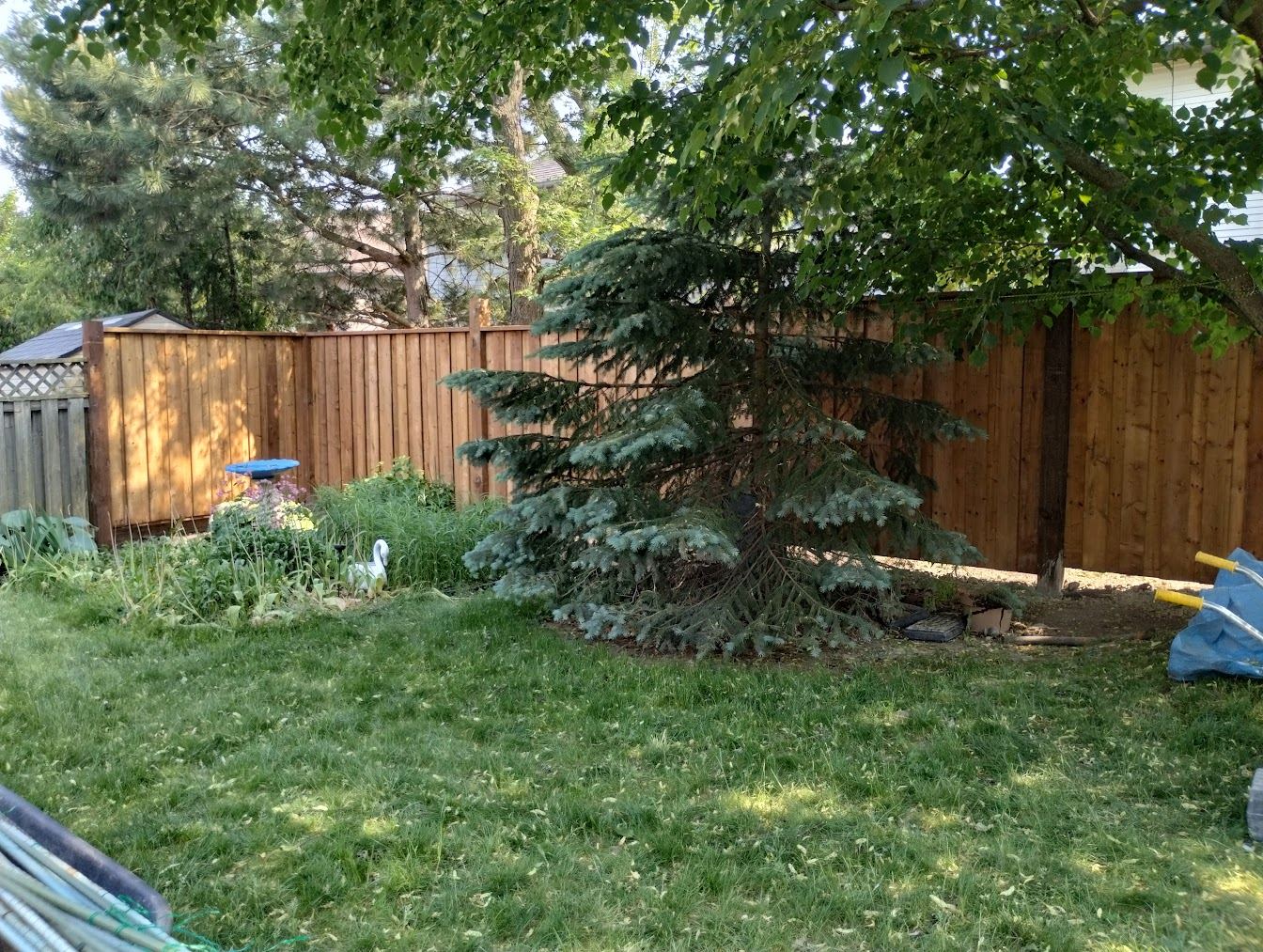
Regular seasonal inspections after heavy rain help catch drainage setbacks early and keep sod performance on track.
Problem Introduction
Sod turning yellow is often treated as a watering issue, but persistent discoloration usually points to drainage, compaction, or soil-profile problems below the surface.
Why This Problem Happens
Yellowing commonly results from oxygen-starved roots in wet areas, uneven moisture from grade errors, and shallow topsoil after prior renovation work.
How Seven Stones Landscape Fixes It
We diagnose turf and site hydraulics together, then correct low zones, improve runoff movement, and rebuild soil profile before sod restoration.
Local Considerations
Hamilton and Dundas lawns on dense soils are prone to spring yellowing after wet periods. Burlington and Waterdown lawns can show repeated stress along hardscape edges.
Related Services
- Interlock patios
- Retaining walls
- Sod installation
- Yard grading and drainage
- Concrete services
- Backyard renovations
City Pages
Before & After Case Example
A Burlington lawn developed recurring yellow strips next to a patio edge. After edge grading correction and soil restoration, color and density returned evenly.
Action Plan for Homeowners
Yellow sod should be evaluated as a site-performance signal, not just a lawn-care issue. Repeated discoloration often points to drainage imbalance, shallow topsoil, or compaction that limits root oxygen. On many Burlington and Waterdown properties, moisture concentrates along hardscape edges where slope transitions were never finalized. Correcting those conditions before re-sodding produces stronger recovery, more even color, and fewer repeat treatments.
Before you call anyone, walk the lawn and note exactly where the yellow shows up and when it got worse. Strips that run along a patio or walkway, low corners that stay soft a day after rain, and blotches that flare up right after spring thaw all tell us something different about what is happening under the surface. Pull a corner of sod in a bad spot and look at the roots, white and anchored means the turf is stressed but recoverable, brown and brittle means that patch is gone. Photos taken a few hours after a heavy Hamilton downpour are worth more than any guesswork.
Resist the urge to keep dumping fertilizer and water on a lawn that keeps yellowing in the same places. Feeding turf that is sitting in saturated, oxygen-poor soil usually makes the discoloration worse, not better, and topdressing over a low spot just hides the grade problem for another season. We would rather open a small test pit, check how deep the topsoil really runs, and confirm whether compaction or a buried slope error is starving the roots before anyone spends money on new rolls.
The repair sequence matters more than the products. We correct the low zones and slope transitions first, rebuild the soil profile so roots have something to breathe in, then lay fresh sod and tune the watering schedule to that specific yard rather than a generic chart. Doing it in that order is what turns a lawn that yellows every June into one that holds even color, and it is far cheaper than re-sodding the same strip three years running.
No two lawns fail for the same reason, even side by side on a Waterdown street. One yard yellows because the builder left four inches of topsoil over compacted clay, the next because the grade was pitched toward a fence and never finished. We match the fix to what the soil and slope on your lot are actually doing, then check the patio edges and bed transitions next to the new turf so we are not solving the lawn while quietly creating the next wet spot.
Sod color recovery is strongest when drainage and soil profile are corrected first, then irrigation is tuned to site conditions.
That sequence supports deeper rooting and reduces repeat yellowing in stress-prone zones after rain or spring thaw.
Regular seasonal inspections after heavy rain help catch drainage setbacks early and keep sod performance on track.
Frequently Asked Questions
Need Help With This Problem?
We provide practical local solutions across Hamilton, Burlington, Oakville, Ancaster, Dundas, Waterdown, Stoney Creek, and Milton.
Regular seasonal inspections after heavy rain help catch drainage setbacks early and keep sod performance on track.